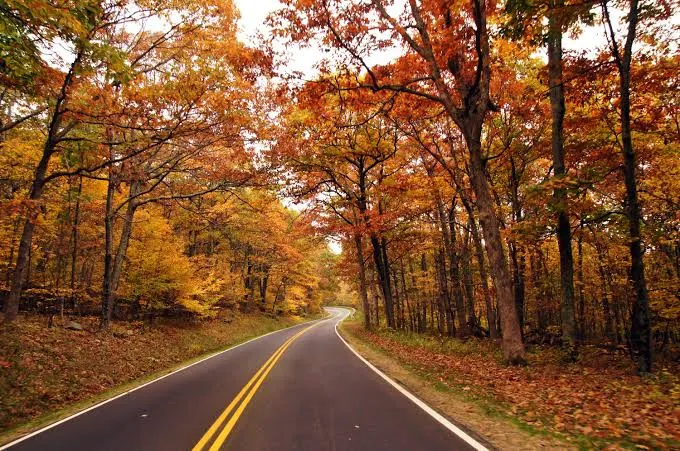
Every autumn, nature puts on a unique display of colors, yet the vibrancy of fall foliage fluctuates each year. Several factors contribute to this variation, including weather patterns, soil moisture, and the diversity of tree species. Understanding these influences can enhance one’s chances of experiencing stunning views. As the peak season approaches, knowing when and where to go becomes essential. What secrets lie in the timing and locations of the best autumn experiences?
Key Takeaways
- Temperature Variations: Fluctuating warm days and cool nights influence anthocyanin production, affecting the intensity of fall colors each year.
- Precipitation Impact: Adequate rainfall during the growing season leads to healthier foliage and more vibrant autumn hues.
- Tree Species Diversity: Different trees, such as maples and oaks, display distinct colors, contributing to the overall variability in fall displays.
- Sunlight Exposure: Extended sunlight during the fall enhances color brilliance, with variations in weather patterns affecting light availability.
- Foliage Monitoring: Checking local foliage reports helps identify peak seasons, optimizing your chances for experiencing the best fall colors.
Key Factors Influencing Fall Color Changes
As autumn approaches, nature reveals a spectacular transformation, enchanting observers with vibrant hues of red, orange, and gold. Several key factors influence why fall colors vary yearly, fascinating those enthusiastic to witness this seasonal spectacle. Temperature plays an important role; cool nights and sunny days enhance the brilliance of leaves, while unseasonably warm weather can dull the palette. Additionally, soil moisture levels affect the intensity of colors; adequate rainfall encourages healthy foliage. The species of trees also contribute, as different varieties display distinct color changes. Finally, the overall health of the ecosystem impacts the vibrancy of the display. Understanding these elements deepens appreciation for the beauty of fall and connects individuals with the natural world around them.
How Weather Patterns Affect Fall Colors?
Weather patterns greatly influence the vibrancy and timing of fall colors, adding another layer to the annual spectacle of changing foliage. Variations in temperature, precipitation, and sunlight play pivotal roles in determining why fall colors vary yearly.
- Temperature Fluctuations: Warm days followed by cool nights enhance the production of anthocyanins, intensifying reds and purples.
- Precipitation Levels: Adequate moisture during the growing season leads to robust foliage, while drought conditions can dull colors.
- Sunlight Exposure: Extended sunlight during fall promotes vibrant hues, as trees respond to the changing light with an extraordinary display.
These elements intertwine to create a unique tapestry of colors each year, inviting enthusiasts to witness nature’s breathtaking transformation.
How Different Trees Affect Fall Colors
While the changing hues of autumn delight the senses, the variety of tree species plays an essential role in shaping the fall landscape. Each tree contributes its unique palette; for instance, maples burst into vibrant reds and oranges, while oaks present deep browns and russets. Sweetgum trees add a kaleidoscope of colors, showcasing purples and yellows. The chemical composition of leaves, influenced by species, determines their autumn display. As days shorten and temperatures drop, chlorophyll fades, revealing these stunning hues. Understanding how different trees affect fall colors helps enthusiasts appreciate the intricate beauty of the season. This awareness fosters a deeper connection to nature and enriches the experience of seeking out the year’s most breathtaking foliage.
Top Places to Experience Fall Colors
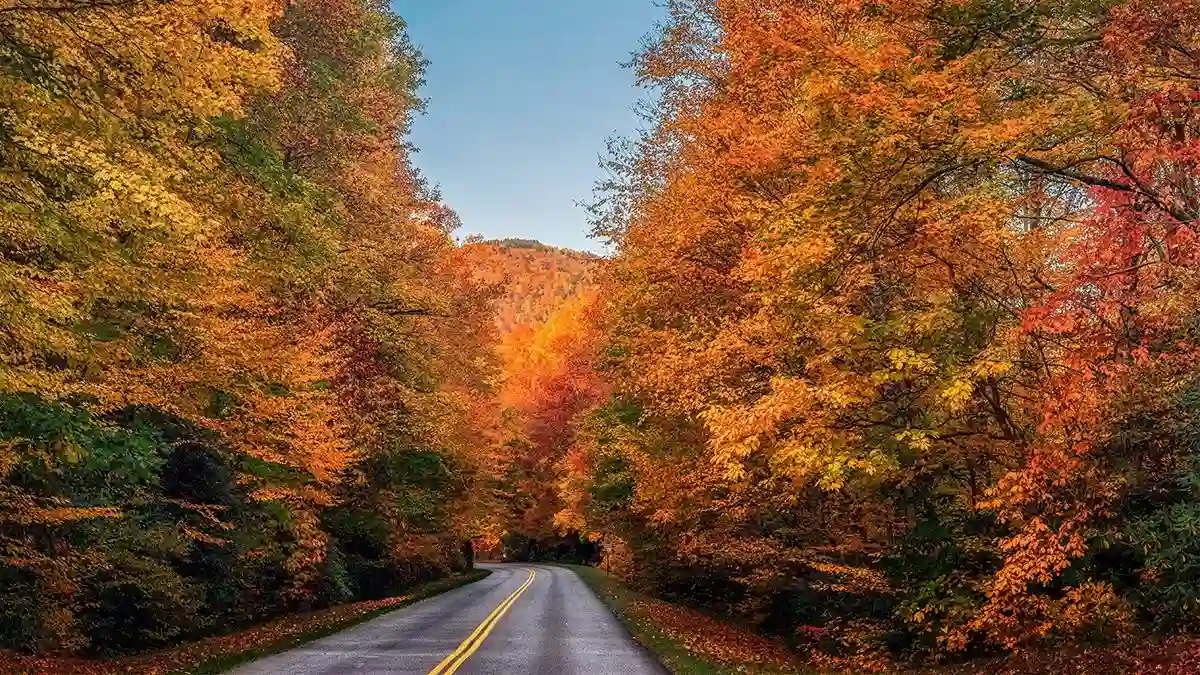
Where can one find the most breathtaking displays of fall colors? Across the United States, several locations stand out for their vibrant foliage, drawing visitors enthusiastic to experience nature’s stunning transformation.
- New England: Known for its iconic maples, states like Vermont and New Hampshire showcase vibrant reds and yellows, creating picturesque landscapes.
- Great Smoky Mountains: This region offers a rich tapestry of colors, with diverse tree species that contribute to a prolonged foliage season.
- Aspen, Colorado: Famous for its golden aspen trees, this mountain town presents a striking contrast against the deep blue skies.
Exploring these destinations not only reveals why fall colors vary yearly but also fosters a sense of connection among those who share the beauty of autumn together.
How to Time Your Fall Foliage Trip
When is the ideal time to witness the vivid transformation of fall foliage? To capture the breathtaking colors, timing is essential. Typically, the peak season occurs between mid-September and late October, but this can vary based on geography and weather conditions. Those seeking the most vibrant views should monitor local foliage reports, which provide insights into the current status of color changes. Visiting during the early morning or late afternoon offers stunning light for photography, enhancing the rich hues of red, orange, and gold. Planning a trip around weekends can foster a sense of community, as fellow leaf peepers gather to celebrate the beauty of nature. Understanding why fall colors vary yearly can also enrich this shared experience.
Frequently Asked Questions
How Do Soil Conditions Impact Fall Color Variations?
Soil conditions greatly impact fall color variations by influencing nutrient availability and moisture levels. Healthy, well-drained soils promote vibrant hues, while poor soil quality can lead to duller foliage, affecting the overall autumn landscape experience.
What Role Do Pests Play in Fall Foliage?
Pests can notably impact fall foliage by causing stress to trees, leading to premature leaf drop or muted colors. Their presence alters the natural process of chlorophyll breakdown, ultimately affecting the vibrancy of autumn’s palette.
Can Urban Areas Affect Fall Color Intensity?
Urban areas can greatly affect fall color intensity by altering temperatures and light exposure, leading to variations in leaf pigmentation. This phenomenon creates unique, vibrant displays, inviting communities to appreciate nature’s artistry amidst their bustling environments.
How Does Elevation Influence Fall Color Timing?
Elevation greatly influences fall color timing, as higher altitudes experience cooler temperatures earlier. This leads to quicker changes in leaf pigmentation, creating a stunning cascade of colors that captivates those seeking vibrant autumn landscapes.
Are There Specific Trees That Change Colors First?
Certain trees, such as maples and birches, often display vibrant colors earlier than others. Their early transformation can create stunning landscapes, inviting nature enthusiasts to explore and appreciate the changing beauty of the season.
Conclusion
In conclusion, the dynamic interplay of weather, soil moisture, and tree diversity intricately shapes the annual tapestry of fall colors. By staying informed about local foliage reports and timing visits to capture the soft glow of dawn or the warm hues of twilight, nature enthusiasts can fully appreciate this breathtaking seasonal change. Ultimately, with careful planning, one can immerse themselves in vibrant community activities and witness the enchanting beauty of autumn in all its glory.
You May Also Like To Read: