Mead, an ancient beverage crafted from honey, water, and sometimes spices, holds a rich cultural heritage that spans centuries. Its historical significance intertwines with music, storytelling, and community gatherings. For musicians, exploring mead’s diverse flavors and traditions can inspire creativity and foster connections. As artists engage with local meaderies and festivals, they may uncover unique experiences that resonate deeply. What awaits them in these shared moments? The journey into mead culture is just beginning.
Key Takeaways
- Mead is an ancient alcoholic beverage made from honey, water, and yeast, celebrated for its cultural significance in rituals and gatherings.
- Unique varieties of mead, including fruit and spice infusions, foster community among enthusiasts and enhance the tasting experience.
- Mead has influenced music and artistic traditions, serving as a metaphor for love, celebration, and the passage of time in songs and tales.
- Musicians can immerse themselves in mead culture by attending festivals, participating in tastings, and exploring local meaderies with live performances.
- Making mead invites creativity and personal expression, mirroring the artistic process and fostering community during shared experiences like jam sessions.
What Is Mead and Its Historical Significance?
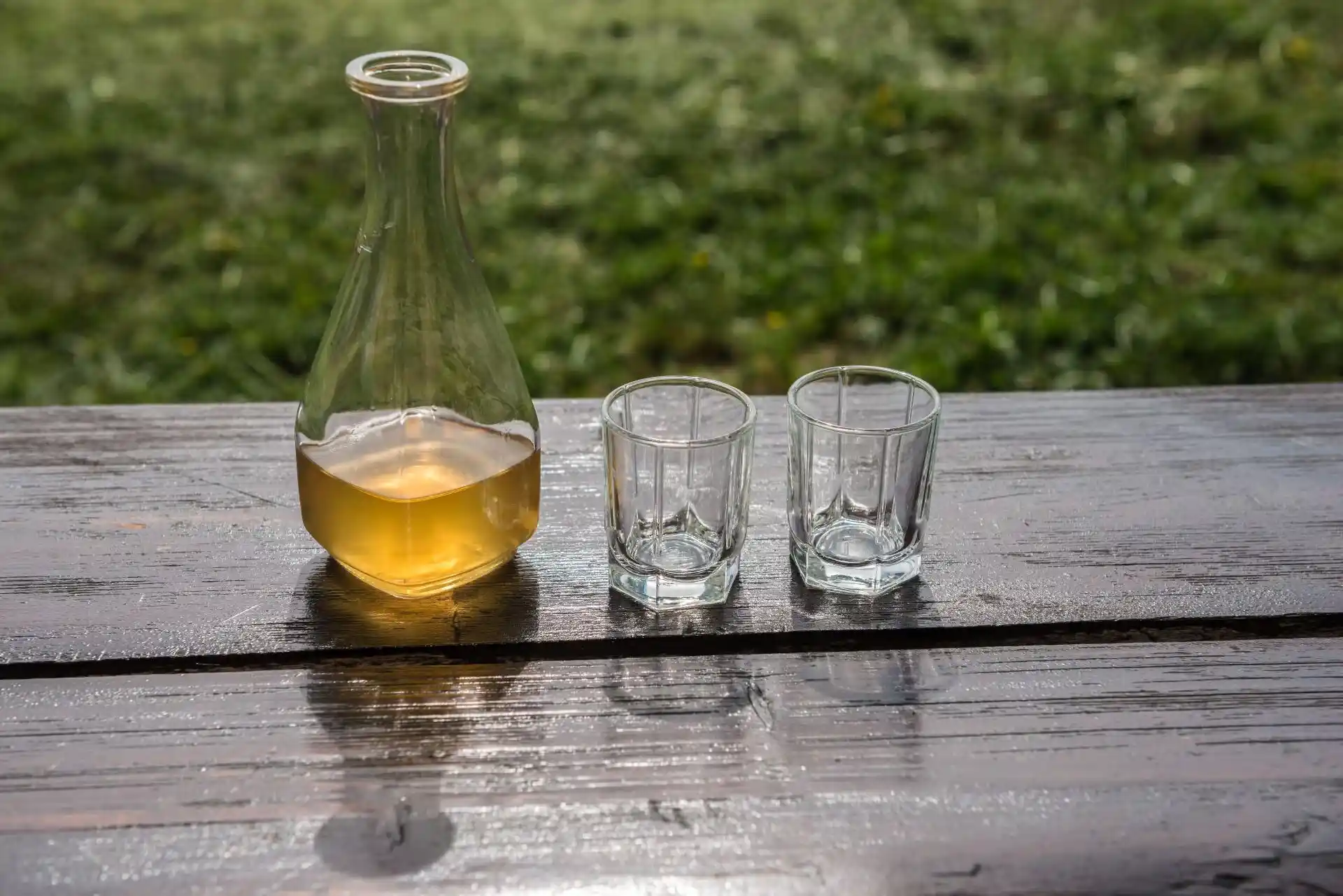
Mead, often referred to as the “nectar of the gods,” is an ancient alcoholic beverage made by fermenting honey with water, and sometimes incorporating fruits, spices, or grains. Its historical significance stretches back thousands of years, intertwined with various cultures across the globe. What is mead, then, if not a bridge connecting people through shared experiences? In ancient times, it was celebrated in rituals, marking weddings and harvests, and was often enjoyed in communal gatherings. Mead’s resurgence today reflects a longing for connection and tradition, drawing musicians and enthusiasts alike to explore its rich flavors and stories. As they sip this golden elixir, they partake in a legacy that unites generations, fostering a sense of belonging and cultural appreciation.
Discovering Unique Mead Varieties: From Traditional to Craft
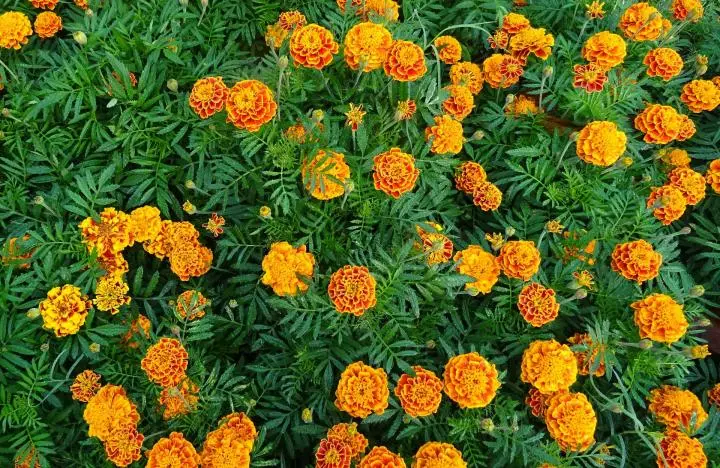
As enthusiasts explore the world of mead, they quickly discover an astonishing array of varieties, each offering a unique flavor profile and cultural background. Traditional meads, often crafted from honey, water, and yeast, showcase the ancient recipes that have stood the test of time. Meanwhile, craft meads introduce innovative ingredients like fruits, spices, and herbs, inviting adventurous palates to set off on new taste journeys. From floral notes of lavender mead to the rich depth of berry-infused concoctions, each sip connects drinkers to a narrative of tradition and creativity. This diversity fosters a sense of community among mead lovers, uniting them in shared experiences and stories, reinforcing the idea that mead is not just a drink but a cultural phenomenon.
What Is Mead’s Influence on Music and Culture?
While exploring the rich tapestry of cultural expressions, one cannot overlook how mead has interwoven itself into the fabric of music and artistic traditions. This ancient beverage, often celebrated in songs and tales, evokes a sense of community and shared experience. Musicians have drawn inspiration from mead’s rich flavors and historical significance, using it as a metaphor for love, celebration, and the passage of time. Festivals and gatherings centered around mead often feature lively performances, fostering an atmosphere of connection among attendees. As artists sip this honeyed elixir, they find creativity flowing, enriching their work while grounding them in a legacy that transcends generations. In this way, mead continues to shape cultural narratives, resonating deeply within the hearts of those who partake.
Where Musicians Can Dive Into Mead Culture
How can musicians immerse themselves in the vibrant world of mead culture? They can explore meaderies that often host live performances, fostering a unique blend of flavors and sounds. Festivals dedicated to mead offer a rich tapestry of experiences, where tastings and workshops create a sense of community among attendees. Local pubs and tasting rooms frequently feature open mic nights, inviting musicians to showcase their talents in an atmosphere filled with warmth and camaraderie. Additionally, joining online forums or local clubs dedicated to mead enthusiasts can help musicians connect with like-minded individuals. By participating in these gatherings, musicians not only enjoy the delights of mead but also find a welcoming space to share their passion for music and culture.
Making Mead: A Guide for Musicians
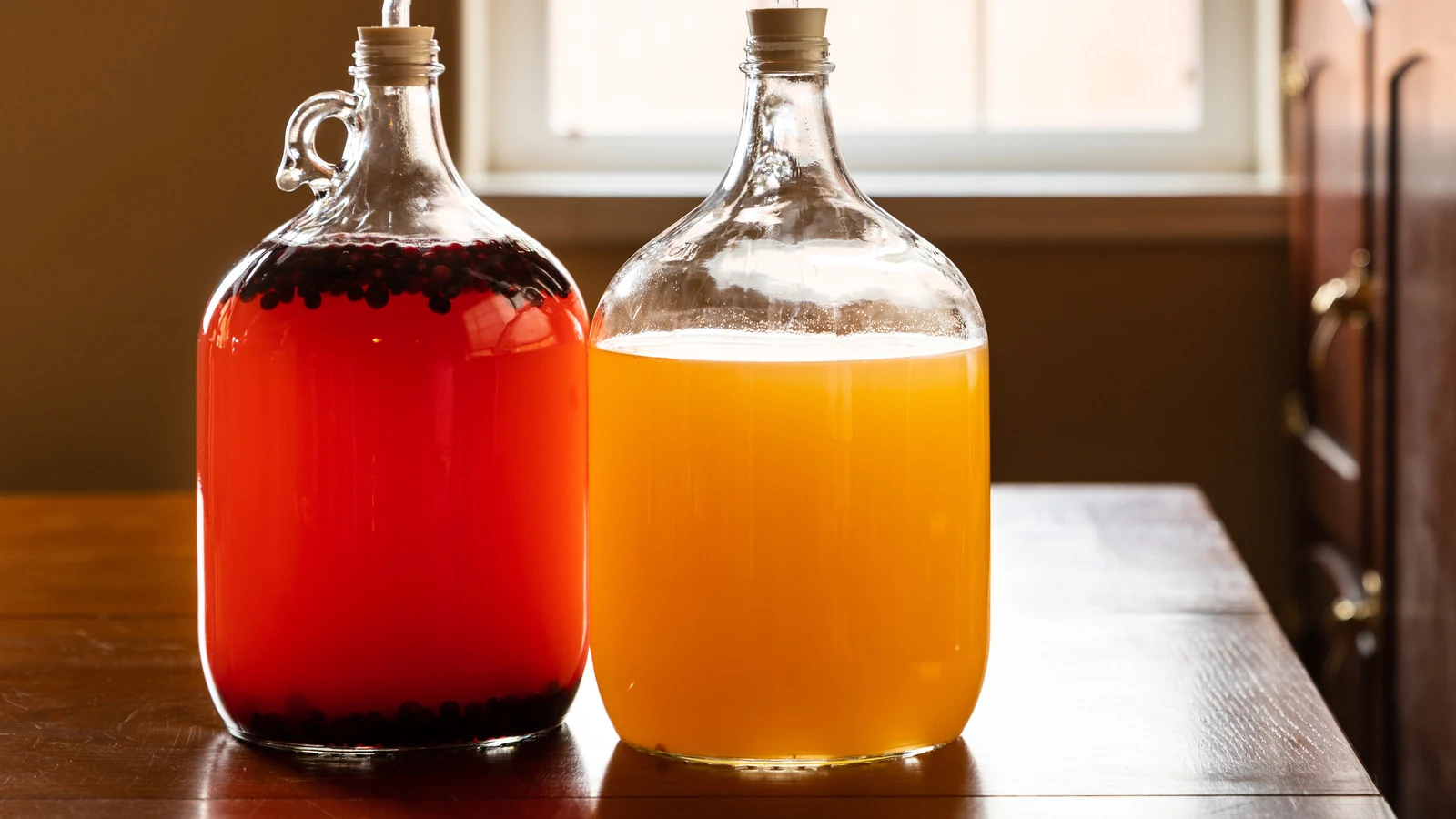
Building on the vibrant experiences found in mead culture, musicians may find inspiration in the art of making mead themselves. This ancient craft invites creativity and connection, transforming simple ingredients—honey, water, and yeast—into a harmonious elixir. For musicians, the process mirrors their own artistry: blending flavors and notes to create something unique. As they measure and stir, they engage in a meditative rhythm, reflecting on their musical journeys. Each batch of mead becomes a reflection of personal expression, much like a song. Sharing the final product during jam sessions or gatherings fosters community, enriching bonds among fellow artists. In exploring what is mead, musicians discover not just a drink, but a canvas for collaboration and celebration.
Frequently Asked Questions
Can Mead Be Used in Cocktail Recipes?
Mead can indeed be used in cocktail recipes, adding a unique sweetness and complexity. Bartenders often blend it with fruits, herbs, and spices, creating delightful beverages that invite exploration and enjoyment among diverse palates.
What Is the Best Food Pairing for Mead?
The best food pairing for mead includes savory cheeses, roasted meats, and spiced dishes. These flavors enhance mead’s sweetness, creating a harmonious experience that invites companionship and exploration of culinary delights.
How Is Mead Different From Wine and Beer?
Mead differs from wine and beer primarily in its base ingredient; it is fermented honey mixed with water, unlike wine’s grapes and beer’s grains. This unique composition imparts distinct flavors and aromas, fostering diverse tasting experiences.
Are There Health Benefits Associated With Drinking Mead?
Research suggests that mead may offer health benefits, including antioxidants and potential digestive support. Its natural ingredients can enhance overall wellness, making it an intriguing choice for those seeking both enjoyment and potential health advantages.
What Equipment Is Needed for Homebrewing Mead?
To homebrew mead, one needs essential equipment: fermentation vessels, airlocks, hydrometers, stirring utensils, a siphon, bottles, and caps. These tools foster creativity, allowing enthusiasts to craft unique flavors and share their passion with others.
Conclusion
To summarize, mead embodies a rich heritage that resonates deeply with musicians, offering a unique blend of tradition and creativity. By immersing themselves in mead culture—through tastings, festivals, and workshops—artists can draw inspiration from its diverse flavors and enchanting stories. This journey not only enhances their craft but also fosters a sense of community, allowing them to weave the essence of mead into their music, celebrating both the past and the present in harmonious unity.
You May Also Like To Read: